Prime Highlight
- South Korea has launched a pilot AI platform to help paramedics assess patients and decide hospital transfers in real time.
- The system is designed to reduce workload and improve speed and accuracy during emergency responses.
Key Facts
- The platform uses over 10 AI models for voice-to-record conversion, risk alerts, pre-triage scoring, and hospital recommendations.
- Field tests showed strong acceptance, with paramedics giving the system an average score of 86 out of 100.
Background
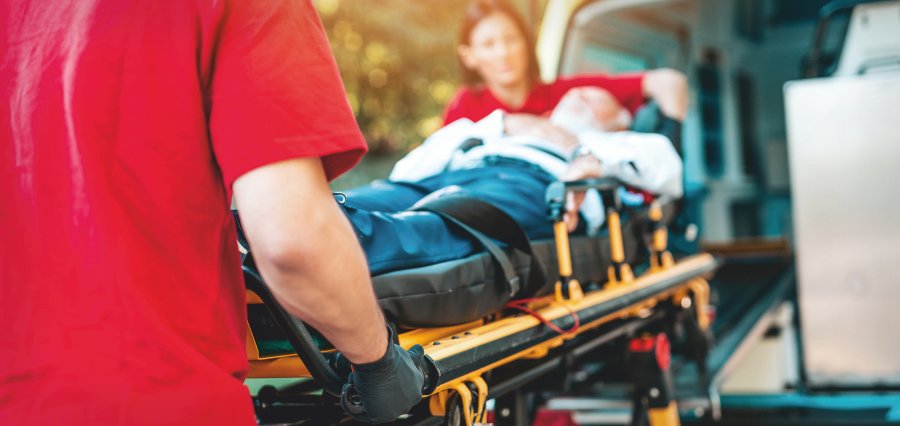
South Korea has begun testing an AI-based emergency support system for ambulances to help paramedics assess patients, record information, and make hospital transfer decisions during emergencies.
Yonsei University Severance Hospital and the National Fire Agency developed the pilot platform to help paramedics with four main functions. It uses more than 10 AI models to assist ambulance crews in real time while they respond to emergency calls.
The system turns paramedics’ spoken reports into organized medical records, so they spend less time on paperwork. It also warns crews if patients may get worse or if there are dangers on the scene, so they can act faster in emergencies. Using CCTV footage inside ambulances, the platform generates early severity scores to support pre-triage decisions. Based on this data, the system suggests suitable hospitals for patient transfer.
During field testing, paramedics gave the platform an average satisfaction score of 86 out of 100. Many highlighted that the hospital recommendation feature helps them make quick and confident transfer decisions.
Severance Hospital said emergency responders often face pressure to assess patients, locate available hospitals, and send updates at the same time. These demands can cause delays and missed information. The AI platform helps by improving communication between ambulance teams and hospital staff.
The project has now moved into its second phase. Researchers will measure how the system affects response times, workload reduction, communication accuracy, and performance in real emergencies.
The initiative also includes support from the Electronics and Telecommunications Research Institute and the Korea Electronics Technology Institute. It aligns with South Korea’s broader healthcare reforms, which focus on modernising emergency care through digital and AI-driven solutions following recent medical system disruptions.