Prime Highlights
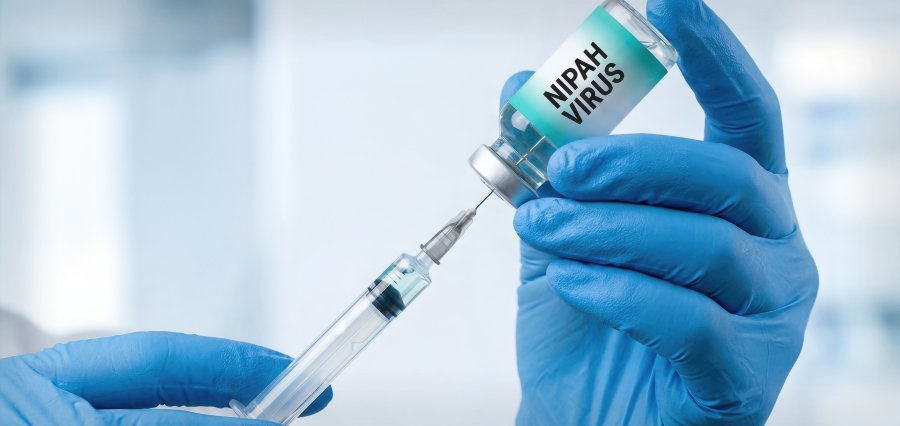
- A Nipah virus vaccine developed by the University of Tokyo will start Phase 1 human trials in April, marking a major step in combating one of the world’s deadliest infectious diseases.
- The vaccine uses a recombinant viral vector method and aims to test safety and immune response in 60 healthy adult volunteers.
Key Facts
- Preclinical studies in animals showed the vaccine was safe and elicited a strong immune response, paving the way for human trials.
- Nipah virus, carried by fruit bats, can spread to humans and between people, with fatality rates ranging from 40% to 75%, and currently has no approved treatment or vaccine.
Background
A vaccine developed in Japan to protect against the Nipah virus will begin early-stage human trials in April, marking a key step toward tackling one of the world’s most dangerous infectious diseases. The trial comes as health authorities in India report new Nipah virus cases, renewing global concern over the pathogen.
Researchers at the University of Tokyo developed the vaccine, which will enter Phase 1 clinical trials in Belgium, according to a report by Nikkei Asia. The study will focus on testing safety and immune response, rather than protection against infection. A total of 60 healthy adult volunteers will take part in the trial.
The vaccine uses a recombinant viral vector method. Scientists insert genetic material from the Nipah virus into a weakened measles virus, a system already used in routine vaccination programmes worldwide. After people get the vaccine, their bodies make proteins like those in the Nipah virus. This helps the immune system learn how to fight the virus.
Researchers tested the vaccine in animals, including hamsters. The vaccine was safe and triggered a strong immune response. These results led researchers to start testing it in humans. The trial is being conducted with support from the European Vaccine Initiative, a Germany-based group that works on vaccines for emerging diseases.
Global efforts to develop a Nipah vaccine are gaining pace. In December, a separate vaccine developed with the University of Oxford entered Phase 2 trials in Bangladesh. That study plans to enrol about 300 adults.
The World Health Organization has identified the Nipah virus as a priority disease due to its high outbreak risk. Animals can pass the virus to people, and people can pass it to each other through close contact. Fruit bats are the main natural carriers.
Nipah infection can cause fever and headaches before quickly progressing to severe brain inflammation or breathing problems. The fatality rate ranges from 40% to 75%. With no approved treatment or vaccine available, care is limited to managing symptoms.